


ARCH 4001. Fall. 2024
Ming Tang
Professor, Registered Architect, NCARB, LEED AP, Director of Extended Reality Lab. UC Digital Futures. Leadership committee, Institute for Research in Sensing (IRiS);
School of Architecture and Interior Design, College of Design, Architecture, Art, and Planning, University of Cincinnati
In the age of spatial computing, architecture transcends the physical boundaries of bricks and mortar, evolving into an expansive realm that merges computational technologies. This studio embraces the transformative potential of AI in the architectural design process, expanding physical spaces into the metaverse and positioning architecture at the forefront of our society’s digital revolution. By serving as a platform for spatial experience, architecture redefines our interaction with space and each other.
This studio invites students to collectively harness the power of AI to create virtual architectural spaces that inspire, connect, and elevate the human spatial experience. Students design a convention center to host various activities, from large conference events like SIGGRAPH and trade shows like CES to small lectures and social events. They research the spatial layout of a convention center and explore the possibilities of migrating these activities to a fully 3D virtual space in the metaverse. The studio also explores the intersections of AI, digital twin, and XR technologies with the metaverse, enabling students to push the boundaries of traditional architectural design. Through this exploration, students gain insights into how digital advancements can enhance and transform spatial experiences, fostering innovation and creativity in the architectural field.

Spring 2024. Instructors: Ming Tang, Samira Sarabandikachyani
This studio serves as a comprehensive introduction to designing a building.

Spring. 2024. UC
Under the guidance of Ming Tang, Director of the XR-Lab at Digital Futures and DAAP, UC, this honors seminar course has propelled students through an immersive journey into the realm of XR. The course encompasses Extended Reality, Metaverse, and Digital Twin technologies, providing a comprehensive platform for theoretical exploration and practical application in XR development.
The coursework showcases an array of student-led research projects that investigate the role of XR in various domains, including medical training, flight simulation, entertainment, tourism, cultural awareness, fitness, and music. Through these projects, students have had the opportunity to not only grasp the intricate theories underpinning future HCI developments but also to apply their skills in creating immersive experiences that hint at the future of human-technology interaction.

Preface
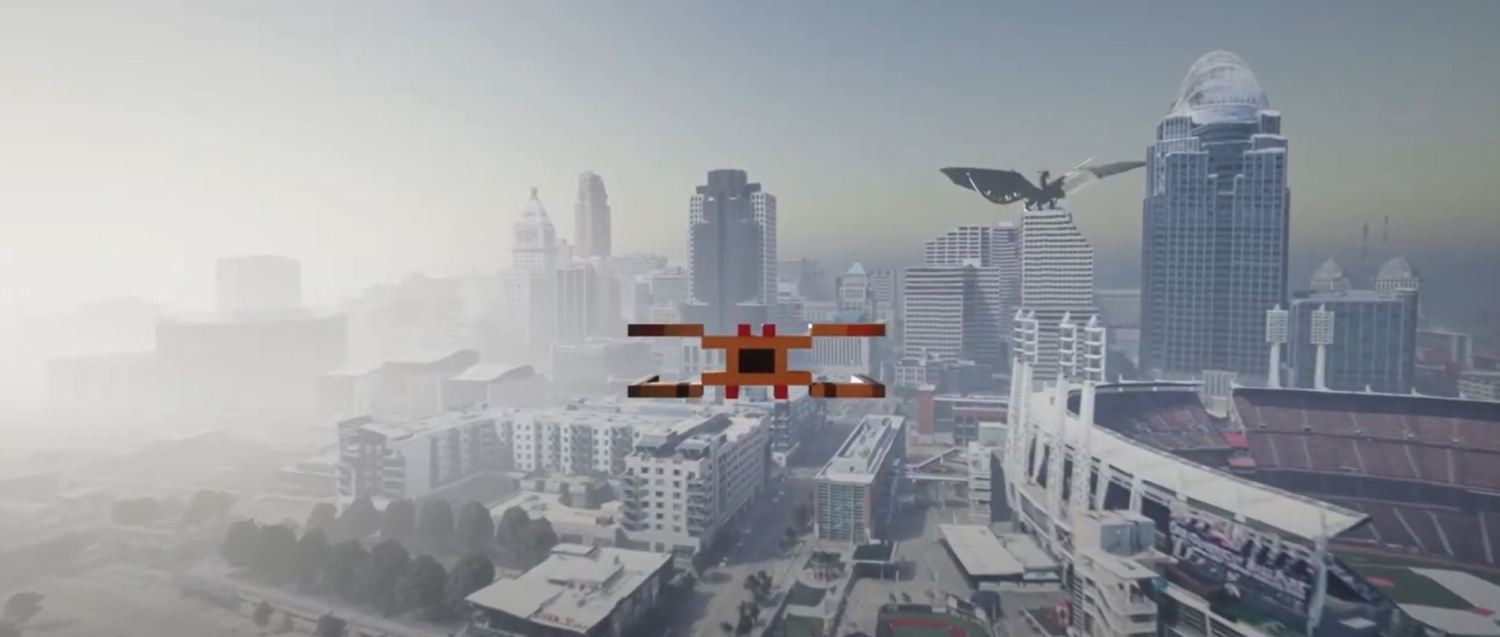
In recent years, Artificial Intelligence (AI) has made significant inroads into the creative industries, notably in fields such as architecture design. The advent of AI-driven image creation tools and advanced language models has opened new frontiers in ideation, enabling a unique synergy between human creativity and generative AI imaging. This independent study aims to delve deep into the potential impacts of AI on the discipline of architecture and its integration into the design process. Three architecture students from the University of Cincinnati, Alex, Jackman, and Nathan, have embarked on a comprehensive investigation, utilizing cutting-edge AI tools to enhance their design capabilities and challenge and redefine traditional methodologies. Throughout their journey, three students have explored various dimensions of AI applications in architecture – from conceptualization and visualization to more complex aspects like representation and style. We invite you to explore the fruits of their experiments, which demonstrate their skillful application of AI in architecture and offer a glimpse into the future of architectural design, where human ingenuity and AI collaborate to create extraordinary works.
Ming Tang

